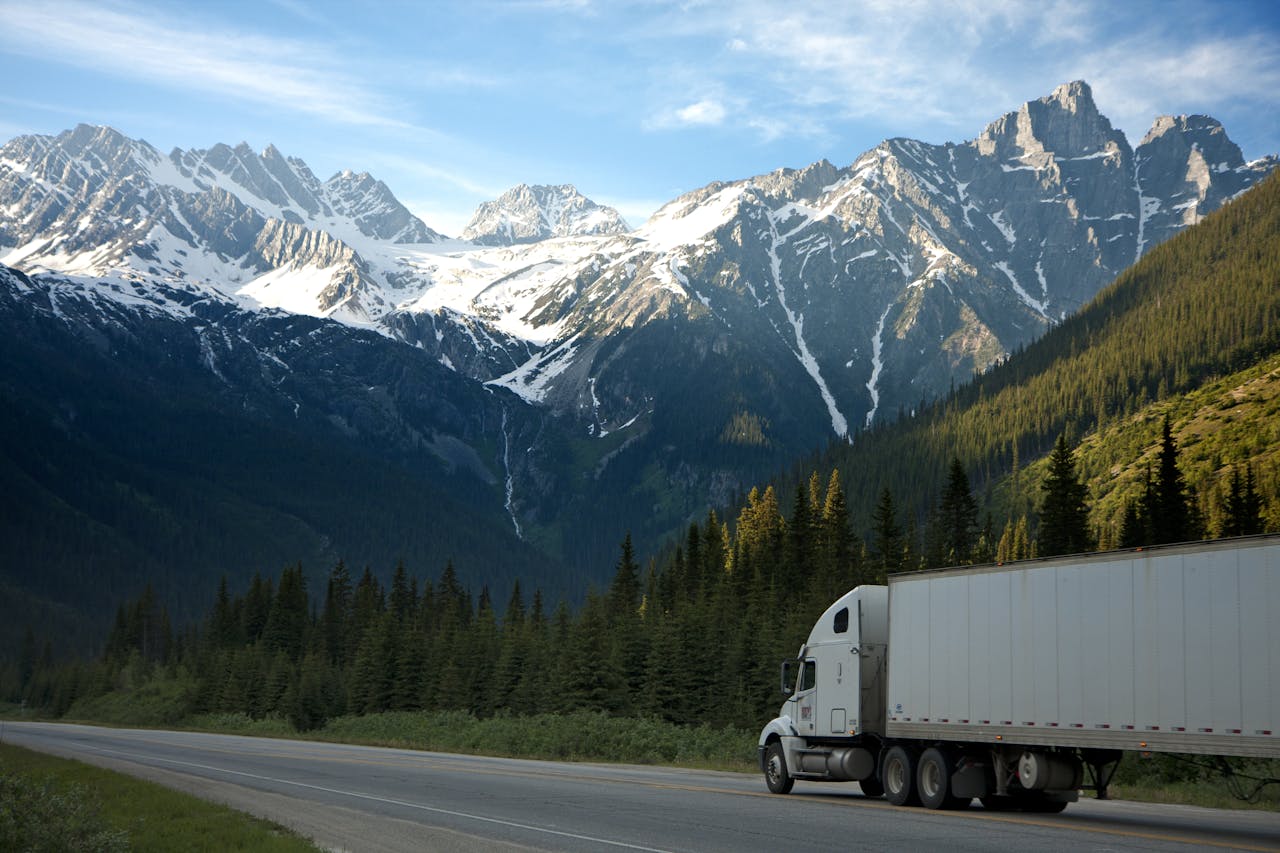

When Mark and Elena decided to move from British Columbia to Ontario, their biggest concern wasn’t packing or paperwork—it was time. They kept asking the same question everyone asks when facing a long-distance relocation: how long does a cross-country move take in Canada?
They had sold their condo in Vancouver, secured a new place near Toronto, and booked flights weeks in advance. Everything felt planned—except the one thing that mattered most. When would their belongings arrive?
Like many people moving across Canada, they quickly learned that long-distance moving timelines aren’t measured in hours or even single days. They’re measured in routes, logistics, and realistic expectations.
The First Lesson: Cross-Country Moves Don’t Work Like Local Ones
Mark assumed the truck would leave Vancouver and arrive in Ontario within a few days. Elena thought it might take a week. Both were close—but not quite right.
Cross-country moves operate on delivery windows, not exact arrival times. The distance alone spans several provinces, thousands of kilometres, and multiple driving days regulated by safety laws. Movers can’t simply drive nonstop.
For a move from British Columbia to Ontario, the typical delivery range is 10 to 14 days. When they heard that, it suddenly made sense. This wasn’t just transportation—it was long-haul logistics.
Watching the Distance Add Up
As their move plan came together, the timeline became clearer. Shorter routes like BC to Alberta often take 2 to 4 days. BC to Saskatchewan might take 3 to 6 days, and BC to Manitoba 4 to 7 days.
Ontario was farther east. Quebec even more so, often requiring 10 to 16 days depending on the route and delivery method.
Distance wasn’t the only factor, but it was the foundation of everything else.
The Choice That Changed the Timeline
One evening, Mark and Elena faced a decision: consolidated delivery or express service.
With consolidated delivery, their belongings would share truck space with other shipments heading east. It was more affordable, but it also meant extra stops, scheduling flexibility, and a wider delivery window.
Express delivery, on the other hand, meant a dedicated truck. Fewer stops. Faster arrival. Less waiting.
They chose consolidated delivery. Not because they didn’t care about speed—but because they had planned ahead. They packed essentials in suitcases, arranged temporary furniture, and accepted that their belongings would arrive closer to the end of the window.
That decision alone shaped their entire experience.
The Quiet Factors People Don’t Think About
What surprised Elena most wasn’t the distance—it was everything else.
The movers explained that long-haul drivers must follow strict driving-hour regulations. Weather conditions through the Prairies or Northern Ontario could slow things down. Even loading and unloading times mattered.
Their inventory size played a role too. A larger household takes longer to load securely and unload carefully. Stairs, elevator bookings, and parking access at both locations also influenced scheduling.
None of these things caused delays—but they explained why timelines are ranges, not guarantees.
Waiting Without Worry
During the waiting period, Mark checked his phone more often than he wanted to admit. But communication helped. Knowing where the truck was and when delivery was expected made the waiting manageable.
They realized something important during that time: a well-planned cross-country move doesn’t feel rushed. It feels steady.
Their belongings arrived on day twelve—right within the window they were given. Nothing was missing. Nothing was damaged. The timing worked.
What They’d Tell Anyone Asking the Same Question
If someone asked Mark and Elena today, “How long does a cross-country move take in Canada?” they wouldn’t give a single number.
They’d say this:
It depends on where you’re going, how far you’re travelling, how much you’re moving, and whether you choose express or shared delivery. Most moves take anywhere from a few days to just over two weeks. And that’s normal.
More importantly, they’d say that understanding the timeline early makes everything easier—housing, work, travel, and peace of mind.
The Real Answer Isn’t Just About Time
A cross-country move isn’t just about how long the truck is on the road. It’s about planning, communication, and choosing a timeline that works for your life.
When you know what to expect, the wait feels purposeful—not stressful.
And in the end, when the doors open and your belongings arrive, the days it took matter far less than how smoothly the journey was handled.