
When Sarah first accepted a job offer in another province, the excitement came quickly. The questions followed just as fast. What to Expect When Planning a Long-Distance Move in Canada
Where do you start when your new home is thousands of kilometres away? How early should you plan? And what does a long-distance move in Canada actually look like from start to finish?
Like many people, Sarah had moved locally before. Packing boxes, renting a truck, and finishing everything in one day felt familiar. But this was different. This move crossed provincial borders, involved weeks of planning, and required trusting that her belongings would arrive safely long after she did.
Planning a long-distance move in Canada isn’t just about moving things. It’s about preparing for a process that unfolds in stages.
The Early Planning Stage: Realizing Time Matters
The first thing Sarah learned was that long-distance moves reward early planning. Unlike local moves, where availability can sometimes be found on short notice, interprovincial moves require scheduling well in advance—especially during busy seasons.
Summer months, end-of-month dates, and weekends book quickly across Canada. Starting early allowed her to compare timelines, understand delivery windows, and choose a move date that aligned with her possession date.
At this stage, planning wasn’t about details yet. It was about creating space—time to make informed decisions rather than rushed ones.
Understanding That Quotes Are Based on Details
When Sarah requested estimates, she noticed that no two conversations felt the same. Each quote was shaped by specific questions: how many rooms, what kind of furniture, access conditions, and where she was moving from and to.
She learned that long-distance pricing isn’t guessed. It’s calculated based on distance, shipment size, and logistics. A one-bedroom apartment moving across provinces isn’t priced the same as a three-bedroom house making the same journey.
This was also when she realized how important an accurate inventory was. The more precise the assessment, the fewer surprises later on.
Packing Becomes a Strategy, Not a Chore
Packing for a long-distance move felt different. Every item needed to survive days on the road, changes in temperature, and constant motion.
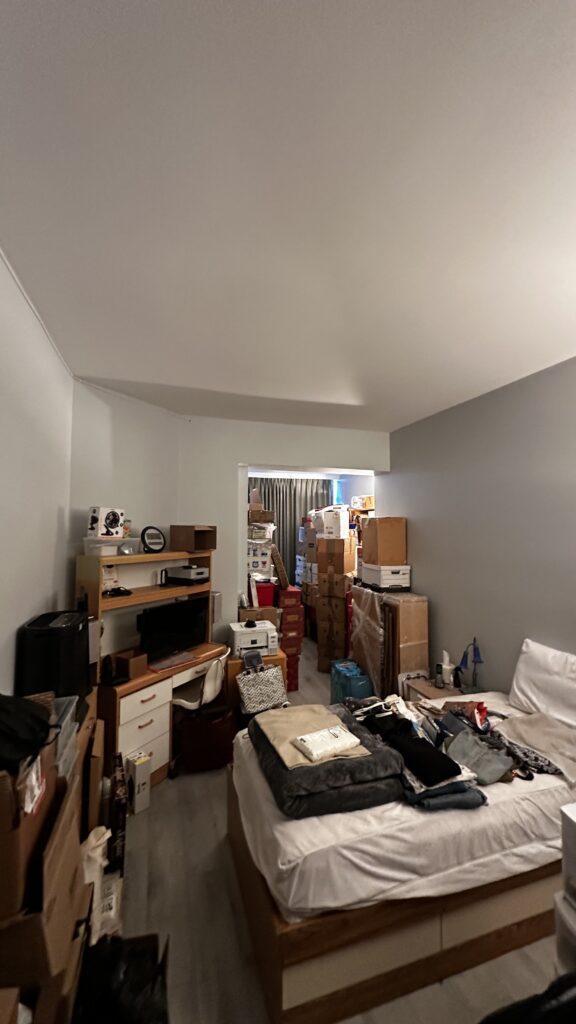
Sarah started by decluttering. Items she hadn’t used in years didn’t need to travel across the country. Letting go early made packing easier and reduced the size of her shipment.
She also learned that long-distance packing isn’t just about boxes—it’s about protection. Furniture needed padding. Fragile items needed individual wrapping. Clear labels mattered more than she expected.
Packing became less about speed and more about intention.
Accepting Delivery Windows Instead of Exact Dates
One of the hardest adjustments was letting go of exact timelines. Long-distance moves in Canada operate on delivery windows, not guaranteed arrival days.
At first, this felt uncomfortable. But once Sarah understood why—weather, driving regulations, route planning—it made sense. Delivery windows allowed flexibility without sacrificing reliability.
She planned accordingly. Essentials traveled with her. Important documents stayed in her carry-on. She arranged her schedule knowing her belongings would arrive within a confirmed range, not a specific hour.
This shift in mindset made the waiting manageable.
The Move Day Feels Calmer Than Expected
When moving day arrived, it didn’t feel chaotic. Because so much planning had already happened, the day itself felt structured.
The movers followed the inventory list. Items were wrapped carefully. Furniture was protected before loading. Nothing felt rushed.
Sarah realized that for long-distance moves, the real work happens before the truck ever leaves. Move day is simply the execution of weeks of preparation.
The Quiet Middle: When the Truck Is on the Road
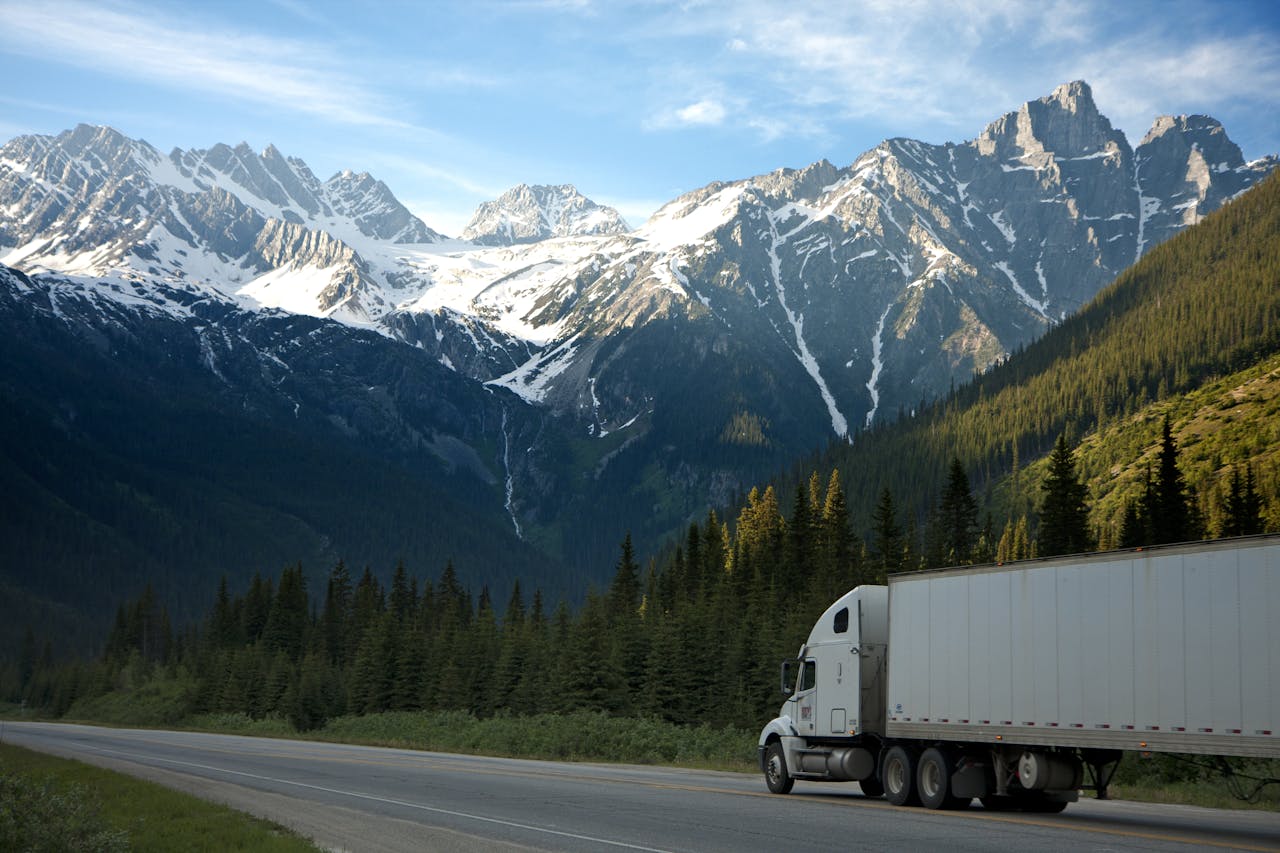
After the truck departed, there was a strange quiet. The packing was done. The boxes were gone. Now came the waiting.
This stage surprised Sarah the most. It wasn’t stressful—it was transitional. She settled into her new place with minimal belongings, knowing the rest were on their way.
Clear communication helped. Knowing when to expect updates and having realistic delivery expectations made the waiting period feel purposeful rather than uncertain.
Delivery Day Feels Like Closure
When her belongings finally arrived, it didn’t feel like the end of a move—it felt like completion.
Boxes were unloaded carefully. Furniture was placed where it belonged. Familiar items filled the space, turning a new house into a home.
Looking back, Sarah realized the move had been less about distance and more about preparation. The smoother moments weren’t accidental—they were planned.
What Planning Really Gives You
Planning a long-distance move in Canada doesn’t remove every challenge. But it replaces uncertainty with structure.
It gives you:
- Realistic timelines instead of assumptions
- Clear expectations instead of last-minute stress
- Time to adjust, prepare, and feel in control
The move didn’t feel easy—but it felt manageable. And that made all the difference.
Final Thought
If you’re planning a long-distance move in Canada, expect a process—not a single day. Expect questions, decisions, and moments of adjustment. But also expect that with proper planning, each step builds toward a smooth transition.
The distance may be long, but when the move is planned properly, the experience doesn’t have to feel overwhelming.