
It usually starts the same way.
Someone calls and says, “We’re moving from Vancouver to Calgary. It shouldn’t be too complicated, right?”
On paper, it looks simple. A date is chosen. Boxes start piling up. Flights or driving plans are made. But somewhere between packing the last kitchen drawer and looking at the mountain forecast, reality sets in: this isn’t just a local move with a longer drive.
The Planning Stage (Where Most People Feel Confident)
At first, everything feels under control. Vancouver is still home, Calgary is still an idea. People plan around work schedules, school dates, or lease endings. They assume the truck will load, drive, unload — done.
What often gets missed at this stage are the details that don’t feel urgent yet:
- How much stuff has actually accumulated over the years
- Whether parking will be available on both ends
- How flexible the delivery timing really needs to be
Those details tend to show up later, usually closer to moving day.
Packing Day (When Questions Start Appearing)
This is usually the moment when people realize how different a long-distance move feels.
Items aren’t just being moved across the city — they’re being packed for days of highway travel. Furniture that survived local moves suddenly needs better protection. Boxes that were “good enough” start to feel questionable.
It’s also when access details matter more than expected. Elevators, stairs, and long carry distances can turn a well-planned day into a slow one if they weren’t fully considered ahead of time.
The Drive (The Part No One Sees)
Once the truck leaves Vancouver, there’s a strange quiet for the client. The home is empty, the move is officially happening, but the belongings are somewhere on the road.
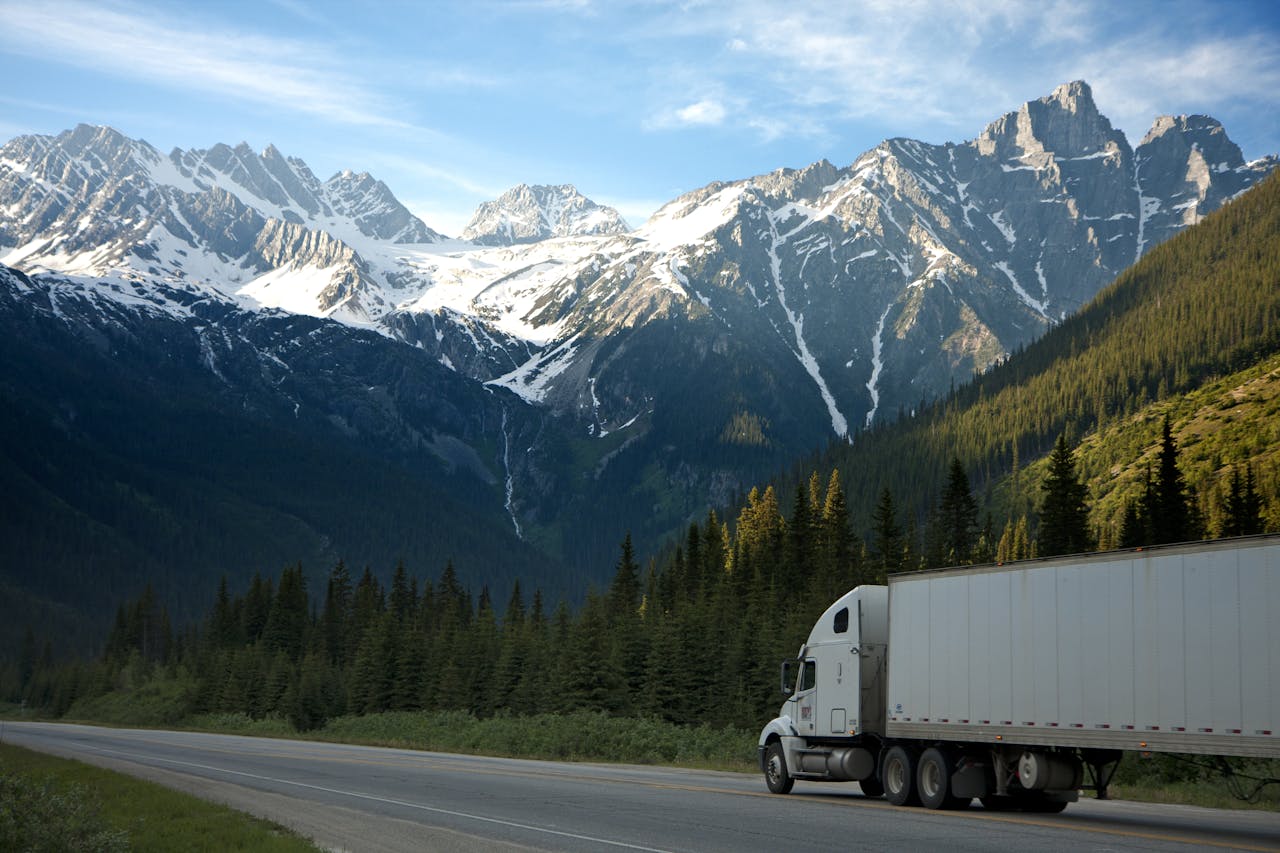
This is where long-distance planning really shows its value. Weather changes. Mountain routes behave differently than city streets. A realistic schedule — not an optimistic one — makes all the difference.
People who were prepared for this stage tend to feel calm. People who weren’t often feel anxious, checking their phones and wondering what’s happening behind the scenes.
Arrival in Calgary (Where Planning Pays Off)
Delivery day in Calgary is when everything comes together. If timing was planned well, access details were clear, and expectations were realistic, the move feels straightforward. Boxes land where they’re supposed to. Furniture goes back together. Life starts to look normal again.
When planning was rushed, this is where problems usually appear — delays, confusion, or last-minute adjustments that could have been avoided earlier.
What This Story Teaches
Moving from Vancouver to Calgary isn’t about luck. It’s about preparation.
The moves that feel “easy” are almost always the ones where people understood early on that long-distance moves follow different rules. Thinking through timing, access, and logistics ahead of time turns a stressful experience into a manageable one.
If you’re preparing for a move from Vancouver to Calgary, learning how experienced Vancouver to Calgary movers plan long-distance relocations can help you avoid the common surprises and approach moving day with a lot more confidence.
By the time people reach Calgary, the move has already taught them something important. Long-distance moves don’t reward rushing or assumptions. They reward preparation. Clients often say the same thing afterward: they didn’t realize how many small decisions added up before the truck even left Vancouver. What to take, what to donate, how flexible to be with delivery, and how much detail to share ahead of time all mattered more than expected. Once they see how those choices affect the final days of the move, the process suddenly makes sense. The stress wasn’t about distance — it was about uncertainty, and planning removed most of it.